


Warner Bros. Studio Tour London (Industry Month)
- Melissa Wilson

- Jan 26, 2020
- 2 min read

On Thursday the 23rd of January I was able to go to the Warner Bros. Studios Tour, London. I was able to discover the magic behind the film making, with the breath taking sets and authentic props as well as the original costumes used through out the films.
Being able to walk through the sets of the Great Hall, the Forbidden Forest, Platform 9 3/4, Gringotts Bank and Diagon Alley was absolutely unbelievable, seeing how a book can inspire such visual imagination and fascinating architecture. Also finding out other interesting facts about during the filming of the Harry Potter films, that the beds in boys dormitory, never increased in size. From when Harry was 11 years old, to being 18 the bed remained the same size, meaning in the later years of filming the boys had to curl up to fit inside the beds.
Looking closer at the props used through the films, starting with the Potion Classroom, dressed with jars upon jars filled with unique props that line the walls, each containing animal bones which were baked and sourced from a local butcher shop, dried leaves, herbs and shrunken heads made by the props department. The memory cabinet in Dumbledores office were nearly 900 vials are individually labelled and hand designed by the Graphics Department.
Seeing the creature effects such as the Basilisk, Buckbeak, The Goblin Heads, Aragog. Created by Nick Dudman (Creature and Make-Up Designer), with the help of (Production Designer) Stuart Craig.
Seeing into the Art Department, the Hogwarts Castle Model created for the first movie, built by a team of 86 artists and crew members, all together the man hours to create this model would add up to 74 years.
The Graphic Design Department, Graphic design Duo 'Minalima' designed an array of props from potions, text books to wizarding sweet packaging and many issues of the Quibbler and the Daily Prophet.
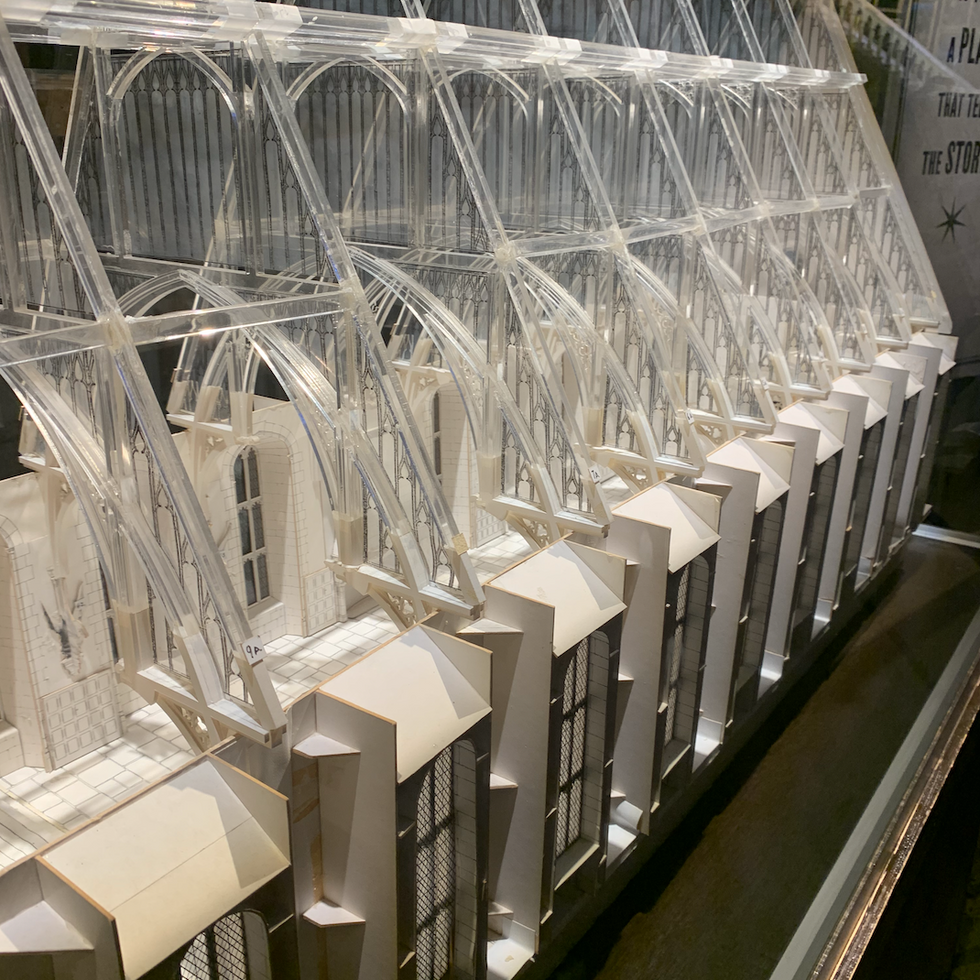
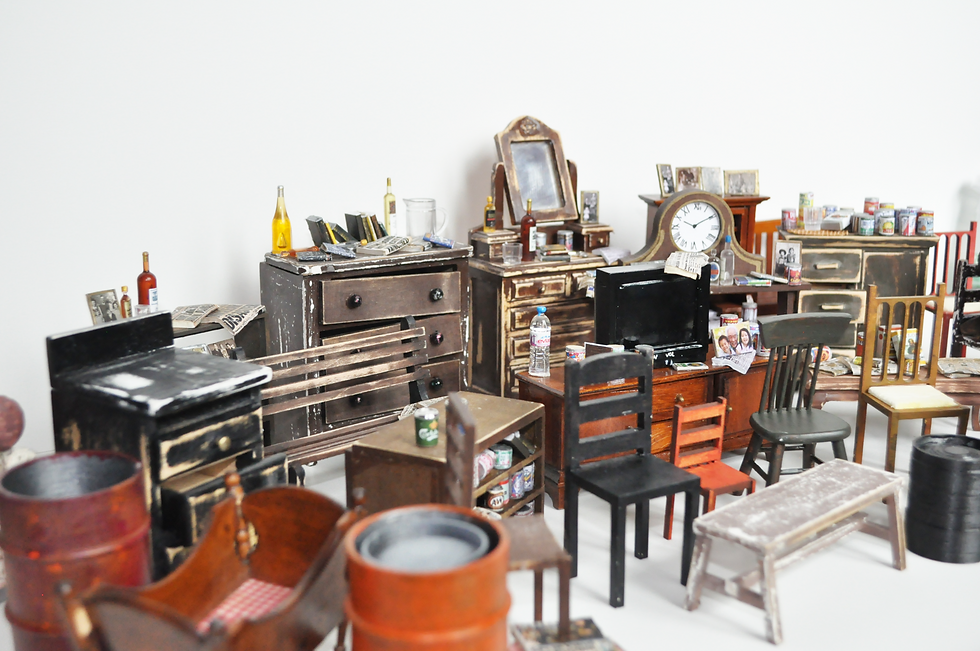
I was absolutely amazed when walking into the Model Box section of the tour, seeing all of the white card models that were constructed by the art department before any actual set construction began. I learnt how these helped directors and production designers look and the size and scale, allowing them to determine camera angles. This allowed them to plan shots and camera movement, they used a tiny camera called a 'Lipstick Camera'.
The Technical drawing department had so much to show, the visuals before anything was actually being built. Showing both technical drawings as well as concept artist work/ illustrations. Showing the environment, the props, and the characters inside the artworks.







Comments